
Protecting Your Drains in Winter: Advice for Andover Homes
Winter brings a range of challenges for homeowners across Andover and the surrounding Hampshire towns. As temperatures drop, the risk of drainage and plumbing issues increases, potentially causing costly damage if not addressed early. Understanding how cold weather impacts your drains is essential to keep your property safe and comfortable throughout the colder months.
From freezing pipes to blocked gullies cluttered with autumn leaves, the combination of weather elements in this region means your drainage system needs a bit of extra care. This article offers practical advice on protecting your drains in winter, helping you spot early warning signs and perform essential checks before the worst of the season sets in.
How Cold Weather Affects Drains and Pipes
In Andover and neighbouring towns like Ludgershall and Tidworth, winter temperatures can fall below freezing, which poses a real threat to exposed pipes and drains. When water inside pipes freezes, it expands, increasing pressure that can lead to cracks or even bursts. This damage may not be immediately visible but can cause serious leaks and flooding once the ice thaws.
Additionally, cold weather slows down natural drainage due to thicker water and occasional frost build-up. Blockages caused by debris or grease can worsen as water flow becomes sluggish, making routine drainage problems more severe during winter months. Even underground drainage systems are vulnerable if insulation and maintenance are overlooked.
Understanding these risks is the first step in safeguarding your home. Paying attention to your drainage system during the colder season can prevent minor issues from escalating into costly emergency repairs.
The Risk of Freezing and Cracked Pipes
Freezing pipes are one of the most common and disruptive problems faced by homeowners in Hampshire during winter. Pipes that are located outdoors or in unheated spaces like garages or lofts are particularly at risk. The water inside these pipes freezes and expands, stressing the pipe walls until cracks or splits develop.
To reduce the risk, ensure that external pipes are insulated with foam sleeves or heat tape designed for plumbing. In Andover homes, paying special attention to pipes running along external walls is important as these are often more exposed to the cold. Inside your property, keeping some heating on during cold spells can also help maintain pipe temperature above freezing.
If a pipe does freeze, avoid using open flames to thaw it. Instead, gradually warm the pipe with a hairdryer or hot water bottles and check carefully for leaks once thawed. Prompt action can save significant damage and disruption.
Dealing with Leaf-Blocked Gullies and Drains
Autumn leaves are plentiful in Andover and surrounding villages like Stockbridge and Overton, and these natural materials often end up clogging gullies and drainage channels. As leaves decompose, they form sticky masses that trap other debris, restricting water flow and increasing the risk of surface flooding during heavy rain.
Before winter arrives, clear all visible leaves and debris from gullies and drain covers around your property. Tools such as drain rods and gloves will help reach into tight spaces safely. For larger or stubborn blockages, professional jetting or rodding may be required to restore proper drainage.
Regular checks throughout winter are advisable, particularly after strong winds or storms common in Hampshire. This maintenance helps ensure leaves and twigs do not accumulate unnoticed and cause drainage issues at critical times.
Preparing for Heavy Winter Rainfall
Hampshire winters often bring heavy, sustained rainfall which can overwhelm drainage systems if they are not well maintained. In Andover and nearby settlements like Weyhill and Charlton, poor drainage can lead to garden flooding, waterlogging of foundations, and even internal damp problems.
Check that all gutters and downpipes are free from debris and firmly attached to your property. Blocked gutters cause rainwater to overflow near walls and windows, increasing the risk of water ingress and structural damage. Ensure soakaways and drainage fields are unobstructed to assist surface water management.
Planning external landscaping to direct water away from buildings is another preventative measure. If you notice slow draining or pooling water after rain, it may indicate a blocked or damaged drain that needs investigating before winter worsens the issue.
Practical Checks to Do Before Winter Sets In
Start your winter drain care by inspecting all accessible drain covers, gullies, and manholes for blockages or damage. Clear away any debris and check for signs of displaced or cracked covers which can pose hazards or allow debris ingress.
Inspect exposed pipes for signs of wear, rust, or frost damage and insulate those vulnerable to freezing temperatures. Also, test your property’s heating system regularly since a sudden loss of heat during cold weather will increase pipe freezing risks.
Review your property’s flood risk, especially if you live near rivers or flood-prone areas in Hampshire such as St Mary Bourne or Hurstbourne Tarrant. Installing drain guards or filters can help reduce leaf ingress during autumn, preparing your drainage for winter challenges.
Monitoring and Maintenance During Winter Months
Consistent monitoring throughout winter is crucial. After storms or heavy snowfall, inspect drain outlets and gullies for blockage or damage. Removing ice build-up or snow accumulation near drains helps maintain water flow and reduces freeze-thaw damage risk.
If you experience any drainage issues such as slow draining sinks or garden water pooling, address them immediately to prevent escalation. In colder towns like Thruxton or Enham Alamein, these problems can worsen quickly given the typical local weather patterns.
Keeping a small stock of drainage cleaning tools, such as drain rods or a plunger, enables you to deal with minor blockages promptly. However, persistent issues should always be assessed by qualified drainage professionals familiar with Hampshire’s local conditions.
When to Seek Professional Drainage Help in Hampshire
Despite careful maintenance, some drainage problems require specialist attention. If you notice persistent foul smells, water backing up inside your home, or visible cracks and damage to pipes, it’s time to call in drainage experts.
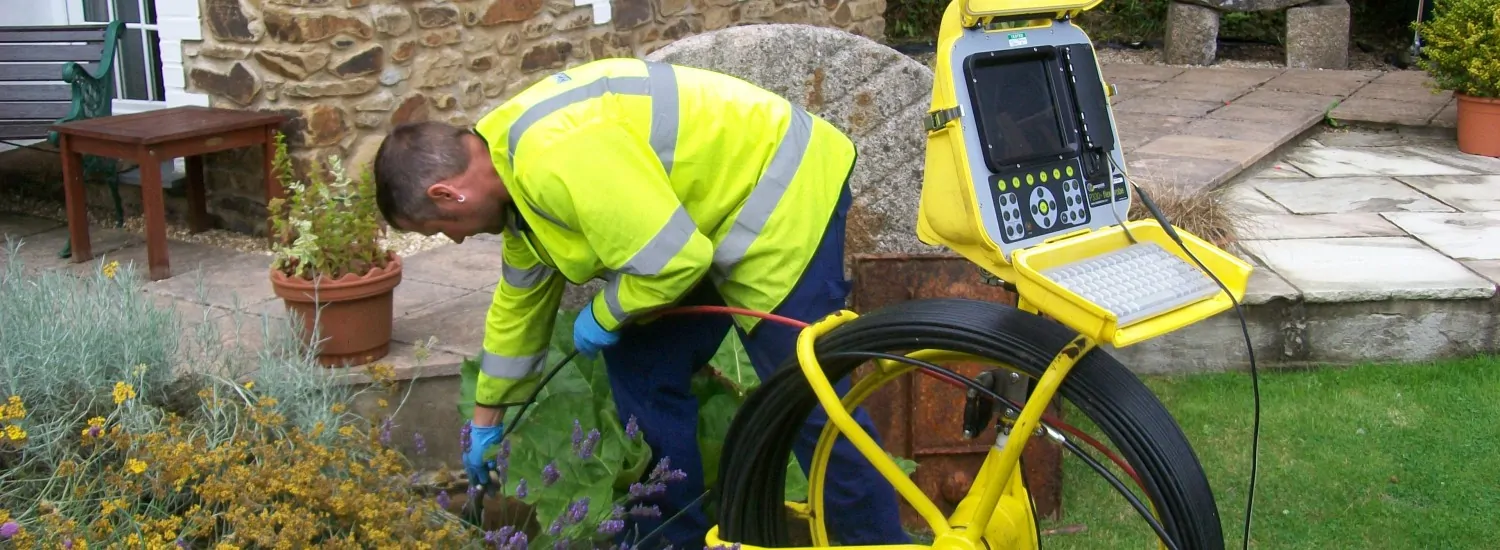
Professionals use advanced diagnostic tools like CCTV drain surveys to locate hidden blockages or structural faults in underground pipes. This service is especially helpful in rural Hampshire areas such as Kimpton or Vernham Dean, where drainage layouts can be complex.
Engaging timely professional assistance can prevent minor winter drainage issues from turning into major repairs, protecting your home and reducing disruption during the colder months.
Need a drainage expert in Andover?
Call 0800 669 6492