
Why Do My Drains Smell? Causes and Fixes for Andover Homes
Unpleasant odours coming from your drains can be a real nuisance for homeowners in Andover and surrounding Hampshire towns. Smelly drains not only affect your home’s comfort but may also indicate underlying plumbing or drainage issues that need attention.
Understanding the common causes of these odours and how to tackle them can help maintain a healthier environment in your property. This article explores typical sources of drain smells, how to trace them, and which fixes you can attempt yourself versus when it’s best to seek professional help.
Common Causes of Smelly Drains in Andover Homes
One of the most frequent reasons drains start to smell is dried-out traps. The trap is the curved section of pipe beneath sinks and baths that holds water to prevent sewer gases from escaping into your home. If water evaporates because the drain hasn’t been used for a while, foul odours can seep through.
Blocked gullies are another major culprit. Gullies collect surface water from your property and channel it into the main drainage system. When muck, leaves, or grease block them, trapped organic matter decomposes and causes unpleasant smells that may be particularly noticeable in towns like Ludgershall or Tidworth where gardens and outdoor spaces are common.
Damaged or cracked pipes can also allow sewage smells to leak into your home or garden. This damage may be due to ground movement—a concern in some parts of Hampshire with clay soils—or tree roots intruding. Identifying pipe issues early helps protect both your property and the environment.
Fat and grease build-up inside kitchen drains is a frequent cause of persistent odours. Over time, cooking oils solidify along pipe walls, trapping food particles that rot and create strong smells. This can happen in any home from Andover to Stockbridge if kitchen waste isn’t disposed of properly.
How to Trace the Source of a Smelly Drain
Tracing where a drain smell originates is an important first step in solving the problem. Start by sniffing near sinks, toilets, and outdoor gullies to identify the strongest odour. This can help pinpoint whether the issue lies inside your home or outside in your garden or driveway.
If the smell is strongest near a sink or bath, check for dried traps by running water and listening if the smell temporarily disappears. For outdoor areas like driveways or back gardens in places such as Overton or Weyhill, inspect gullies and soakaways for blockages or damage.
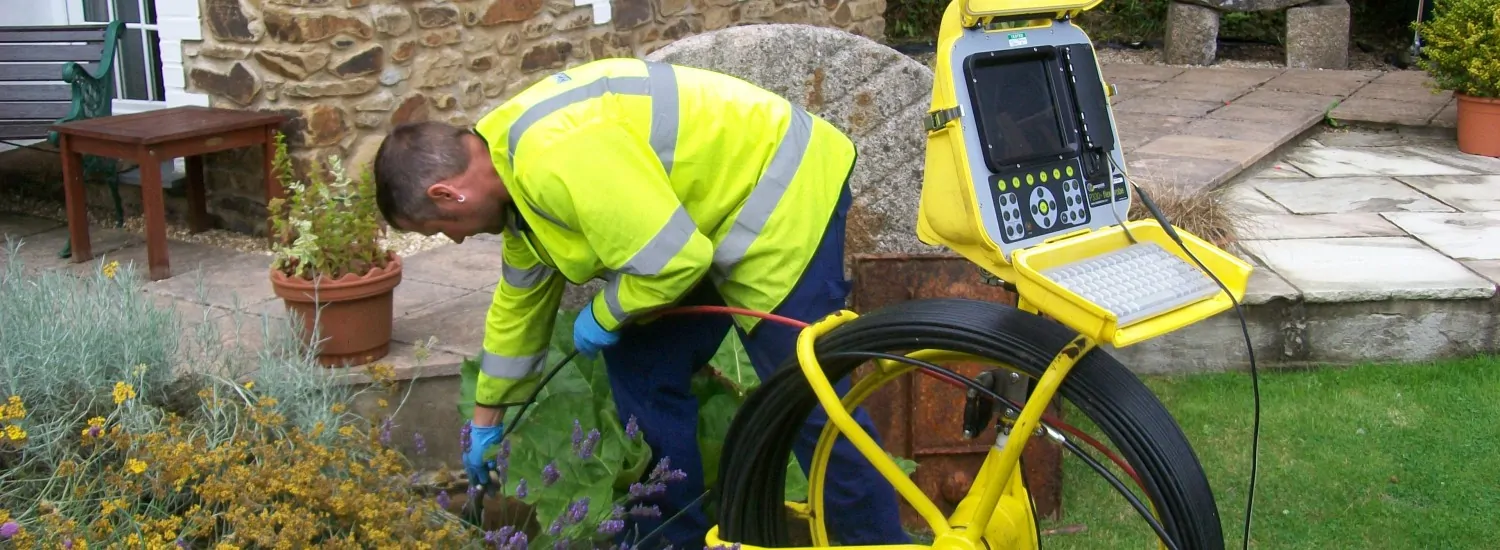
Using a smoke test or drain camera inspection are more advanced ways to locate leaks or blockages but usually require professional equipment. Local drainage specialists in Hampshire can provide these services if basic checks don’t solve the problem.
Fixing Dried-Out Traps: A Simple DIY Solution
If you discover that a dried-out trap is causing the smell, the easiest fix is to pour water down the drain regularly to maintain the water seal. Even a small amount replenishes water lost to evaporation and prevents sewer gases from entering your home.
For sinks, baths, and seldom-used drains in homes across Andover, running water weekly or whenever the fixture is not used can keep traps healthy. Adding a little vegetable oil on top of the water can slow evaporation further.
In some older properties, installing trap primers—devices that automatically keep water in the trap—may provide a more permanent solution but usually require a professional plumber’s installation.
Clearing Blocked Gullies and Removing Fat Build-Up
Blocked gullies can often be cleared manually if you are comfortable getting your hands a bit dirty. Remove any visible debris like leaves or silt from the grating and use a hose to flush the gully. In cases where grease or compacted rubbish is the cause, a drain rodding tool can help dislodge blockages.
Fat build-up inside kitchen drains may respond to pouring boiling water mixed with washing-up liquid down the drain regularly. Enzymatic drain cleaners designed to break down grease and organic matter can also be effective without harming pipes or the environment.
However, if blockages persist or smells return quickly, it may be an indication of a deeper issue such as pipe damage or severe build-up, at which point a professional drain survey is recommended.
When to Call a Professional Drainage Expert
While many drain odour problems can be resolved with DIY care, certain situations require expert help. If you suspect cracked or damaged pipes—especially in older homes around Whitchurch or Hurstbourne Tarrant—consulting a drainage specialist is advisable to prevent leaks and structural damage.
Persistent bad smells despite clearing traps and gullies, recurring blockages, or odours outdoors near soakaways and inspection chambers often indicate a more serious issue best assessed with CCTV drain surveys and professional cleaning.
Moreover, some repairs such as pipe replacement or installation of trap primers need specialist tools and knowledge. Experienced Hampshire drainage technicians have the skills to provide long-lasting fixes while minimally disrupting your property.
Maintaining Fresh Drains in Hampshire Homes
Prevention is better than cure when it comes to smelly drains. In Andover and nearby towns like Abbotts Ann or Goodworth Clatford, regular maintenance of drainage systems can save homeowners time and expense.
Avoid pouring fats, oils, or large food scraps down kitchen sinks, and use strainers in baths and sinks to catch hair and debris. Periodically flush drains with hot water, and keep outdoor gullies free from leaves and mud especially after autumn storms common in Hampshire.
Routine inspections and early intervention on minor issues will help ensure your drains stay in good condition and your home remains fresh and comfortable all year round.
Need a drainage expert in Andover?
Call 0800 669 6492